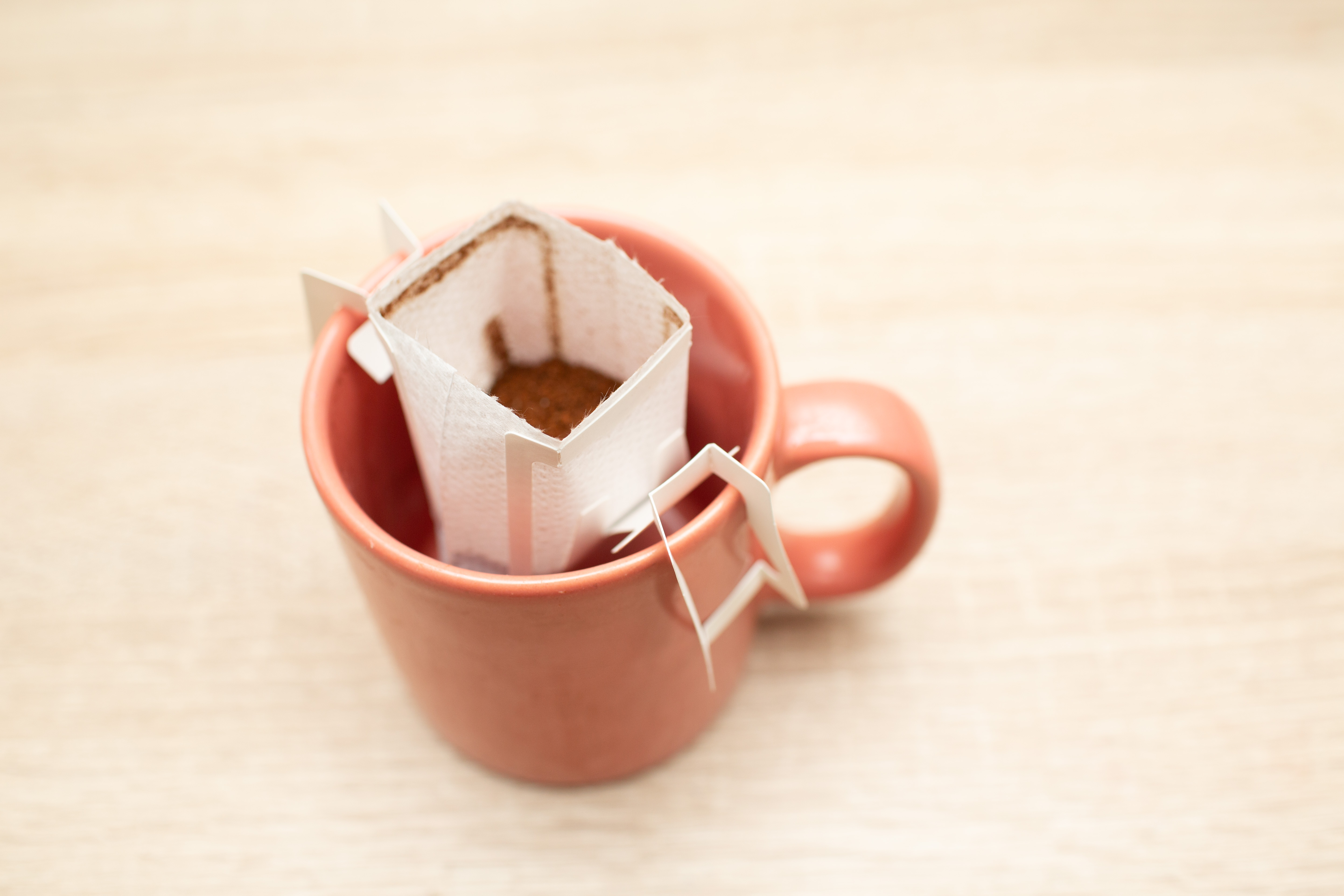
Coffee pods are an environmental problem — single-use plastic at scale, with limited recycling infrastructure. The best long-term solution is a reusable pod and ground coffee. But if you already have a pile of used K-cups and want to do something useful with them, thirty-three reuse ideas follow, grouped by how practical each one genuinely is.
What's in a K-cup? Most Keurig pods are made from #5 polypropylene (PP), which is generally considered food-safe for cold food contact at room temperature. Check the resin code on the base of the cup before using any pod to store food or drink — if you see anything other than #5, do not use it as a food container. None of the pods should be used to hold hot food or liquids, or placed in a microwave, as heat can affect the plastic.
Practical (12)
These are the uses that earn their keep — the ones you will still be glad of in six months.
- Seed starters for a balcony garden. K-cups are the right size for a single seedling. Pierce two or three small holes in the base with a hot needle for drainage. Fill with seed-raising mix to 1 cm from the rim. Sow one or two seeds per cup. Once the seedling shows its first true leaves, transplant it — pot and all if you use a biodegradable liner inside, or tip it carefully out if not. A windowsill row of 12 pods starts enough basil or coriander for a season of cooking.
- Paint pots for kids' craft projects. Each pod holds exactly enough paint for one session of a small project — no half-used pots drying out, no washing large containers between colours. Cover unused pods with plastic wrap if a project runs over multiple sessions. Use ACMI AP-certified non-toxic paints for children — look for the AP seal on the label, which indicates the paint has been toxicologically evaluated as safe for children's use.
- Drawer organisers for small items. A row of K-cups inside a shallow drawer keeps screws, buttons, pins, rubber bands, and hair ties from migrating into a single tangled pile. Cut the foil lids off cleanly and remove the grounds; wash and dry fully before use. A single junk drawer can be transformed for free with a dozen pods.
- Bathroom organisers for cotton swabs and hair ties. Group pods in a small tray or box to keep the bathroom counter clear of loose small items. The pods are the right depth to hold a small collection of cotton swabs upright, or a supply of hair ties without them tangling. Rinse and dry pods before using them near water.
- Jewellery storage during travel. A K-cup with the foil replaced by a small square of cling film (secured with a rubber band) creates a sealed mini-pod for a pair of earrings or a ring. Far less likely to lose small items in a bag than a conventional jewellery bag with multiple compartments.
- Coin sorters in a jar. Stand pods upright in a wide-mouth jar, one denomination per pod. A practical way to sort and count loose change without buying a plastic organiser.
- Office-desk pen holders (several combined). Hot-glue six to eight pods together in a hexagonal cluster and set them in a small tray. Each pod holds a type of writing instrument — pens, pencils, markers, highlighters. The cluster is more stable than a single pod standing alone.
- Portable paint cups for travel painting. If you do watercolour or gouache work away from home, a set of cleaned pods nested in a small box holds individual colours without the need for a separate travel palette. Cover with cling film to prevent drying between sessions.
- Snack portion cups (for older children and adults only). K-cup pods — confirmed as #5 PP — can hold small, dry snacks at room temperature: nuts, raisins, small crackers. This is appropriate for adults and children old enough to handle their own snacks, not for children under 3, where any small portion cup (regardless of material) is a potential choking accessory.
- Car organisers (glued into the console tray). Cut-down pods or full pods hot-glued into the contours of a centre console organise change, mints, and charging cables without a purpose-bought insert.
- Herb-seed starters on a windowsill. A row of 12 pods on a narrow windowsill is a reasonable way to start herb seeds in late winter or early spring without committing to large trays. Label each pod with the variety on a strip of tape — herb seedlings look identical at the two-leaf stage.
- Scoop for soil and fertiliser. A pod with a notch cut in the rim on one side makes a rough but serviceable small scoop for top-dressing or transplanting into small containers. No sharper than a spoon — file or tape the cut edge smooth before use.
Garden (7)
- Slug traps with beer. Half-fill a pod with cheap lager and sink it to rim level in the soil near plants that slugs target. Slugs are attracted to the fermentation smell, fall in, and drown. Check and empty every two to three days. One of the few genuinely effective, non-chemical slug controls for container gardens.
- Succulent planters. Pierce two drainage holes in the base. Fill with a very gritty mix (half potting compost, half horticultural grit). Plant one small succulent cutting or offset. Place in full sun. The key is not to overwater — succulents in small containers need watering only when the mix is completely dry.
- Mini-herb garden (12 pods, one herb each). This works for compact herbs: basil, parsley, chives, and thyme. Set pods in a tray to catch drainage. Position in the sunniest available window. Water from below by adding water to the tray and letting the pods draw it up — this prevents the overwatering that kills most windowsill herbs.
- Scoop for soil and fertiliser (garden scale). Multiple pods, either individually or glued together with the bases cut off, work as lightweight scoops for loose materials. Particularly useful when filling numerous small containers or seed trays.
- Cuttings propagator with water. A cutting placed in a water-filled pod (stem submerged, leaves above the rim) roots in the same way as a glass of water, but the pod keeps the cutting upright and the volume of water small and easy to refresh. Change the water every two to three days to prevent bacterial growth.
- Moss garden pots. Fill clean pods with a moist mix of potting compost and peat-free moss. Press collected moss into the surface. Keep in a shaded, humid spot — a bathroom window sill or a terrarium. Mist rather than water. A grid of moss pods on a small tray makes an effective table centrepiece for a few weeks.
- Under-pot drainage fillers. A layer of K-cups upside-down at the base of a large container improves drainage without adding the weight of stones or broken crockery. This works on a balcony where weight is a concern. The pods do not compress significantly under the weight of potting mix.
Craft (8)
- Christmas-ornament bells. Thread a small jingle bell through the base of a pod on a length of ribbon. Paint the exterior, add glitter, and hang by the ribbon. The pod acts as the bell dome; the small jingle bell inside produces the sound. An individual ornament takes under 10 minutes.
- Mini-chandelier hung in strings. Paint or wrap pods in metallic paper, thread them onto clear fishing line at varying heights, and hang them in a cluster from a single hook. More effective as a party decoration than a permanent fixture — the effect depends on light catching the surfaces from different angles.
- Painted mini-flower-pot decorations. A K-cup, painted and given a small dried or artificial flower, works as a place-card holder at a table setting. Write the guest name on the side. A natural, undyed raffia tied around the top hides the cup's moulded shape effectively.
- Doll-house cups and bowls. An unmodified K-cup is roughly the right scale for a medium-sized doll's house kitchen. The foil disc can be painted to suggest a full cup of liquid. Children can handle the painting with appropriate non-toxic paints.
- Mosaic pieces when crushed. Crushed or cut K-cup sections in the same plastic provide angular mosaic-style pieces for mixed-media art projects. Not suitable for water-exposed surfaces, but works in resin pour art or collage backed with a rigid substrate.
- Puppet-making bases. A pod fitted over a finger makes the head of a simple finger puppet. Cut features from felt and hot-glue them in place. Paint with acrylic (ACMI AP-certified for children's use). A set of six puppets from six pods takes an afternoon and no specialist materials.
- Fairy-garden props. At 1:12 dollhouse scale, a K-cup is a small barrel or planter. At a slightly larger fairy-garden scale, it is a flower pot or a well. Paint to match the garden's aesthetic; seal with a waterproof varnish if it will be placed outdoors.
- Wreath decorations. Paint pods in seasonal colours, add ribbon or twine loops, and wire them to a grapevine or foam wreath base as a textural element. Works particularly well in groups of three or five in coordinating colours.
Household (6)
- Measuring cups for craft supplies. A single K-cup holds approximately 30–35 ml. If your craft recipes measure by volume, a clean pod is a convenient unit. Mark calibration levels on the inside with a permanent marker if precision matters.
- Party shot cups. A clean, food-safe (#5 PP) pod is the right size for a single shot or taster portion at a party. Use for cold beverages only. Note that these are informal party accessories, not replacements for food-grade party cups rated for beverage use.
- LED tea-light holders (with battery tea lights only). A K-cup with small cuts in its side to allow light to glow through works as a holder for a battery-powered LED tea light, creating a warm point of light. Use battery-powered LED tea lights only — never a real flame in a plastic holder. K-cups are polypropylene, which will melt and potentially ignite if a real tea-light candle is placed inside. LED tea lights are the only safe option here.
- Garage small-parts organisers. A drawer of K-cups, each holding a different type of screw, bolt, or wall plug, sorts a disorganised hardware collection quickly and for free. The pods are small enough to label on the side with a permanent marker, and the contents are visible from above.
- Filing small receipts while sorting. When sorting a pile of paperwork, a row of pods labelled with categories (receipts, bank, invoices, to-file) holds small paper slips upright. A temporary system that keeps sorting sessions from creating new piles on the desk.
- Daily supplement sorter (not medication management). A K-cup is a convenient short-term holder for a day's supplements — vitamin tablets, fish oil capsules — at a kitchen counter. This is a convenience use only: for actual medication management, use a purpose-built pill organiser with locking compartments that prevents accidental access by children. Never label a K-cup with medication names and leave it accessible.
The most honest option
If none of these work for your household: rinse the pods, separate plastic from foil and spent grounds, and check what your local recycling authority accepts. Some municipal recycling programmes have added pod-specific streams since 2022 that did not previously exist. If yours has not, the reuse ideas above are genuinely the next-best option. The most effective long-term change is a reusable pod and ground coffee — it eliminates the waste stream entirely rather than managing it downstream.
For other ways to give everyday kitchen items a second life, see the best mason jar DIY projects you can do today, which covers a range of glass-based reuse projects. If the seed-starting angle appeals, things to make from plastic bottles for the garden and home scales up the same zero-cost growing approach. And for anyone interested in turning coffee-related DIY into a broader hobby, how to make coffee candles at home uses used grounds rather than the pods themselves.



Comments (0)