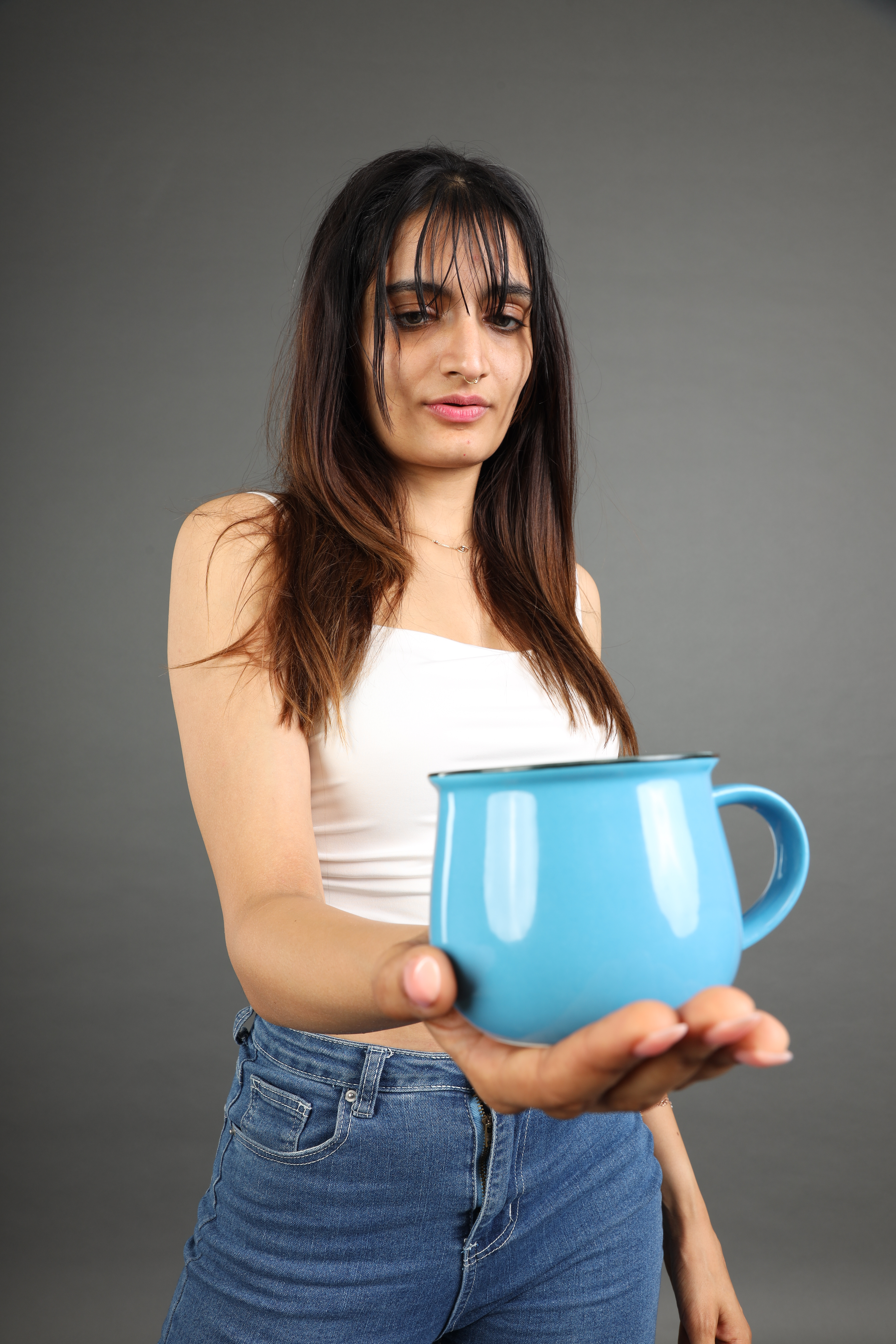
The Sharpie mug is the craft project that's been on Pinterest since 2012 and is half-mythical at this point — half because the technique genuinely works and half because everyone's first attempt washes off in the dishwasher within a month. The honest version of the project requires three corrections to the original viral instructions: the right kind of marker (most "Sharpies" don't work), the right baking technique (350°F for 30 minutes is not enough), and the realistic understanding that no DIY method produces fully dishwasher-safe results. Hand-wash only is the actual instruction.
With those caveats handled, the project is genuinely the highest-leverage gift you can give for under $15: thirty minutes of work, materials you probably already have, and an outcome that's far more personal than anything off a shelf. The list below covers materials, the three reliable design approaches, the bake-and-cure technique that actually holds, and a few realistic design ideas beyond "World's Best [Mum/Dad/Teacher]".
Best for: teacher gifts, secret-santa exchanges with a $15 cap, last-minute birthdays, or any occasion where a personalised mug reads as thoughtful and a store-bought mug doesn't.
1. Use Oil-Based Paint Markers, Not Regular Sharpies
The original viral version of this project used standard alcohol-based Sharpies. They look great until the first wash. Oil-based paint markers — Sharpie Oil-Based Paint, Pebeo Porcelaine 150, or Pintor by Pilot — bond to ceramic in a way the alcohol versions never will.
Materials: Oil-based paint marker set, $12-18 for a four-colour pack. Time investment: One trip to a craft store (Michaels, Hobby Lobby) or 24 hours for online delivery.
The colour range is more limited than regular Sharpies — primary colours plus black, white and metallics — but the trade-off is worth it. The Pebeo Porcelaine line is the gold standard for ceramic; it bakes at low temperatures and the result genuinely lasts years of hand-washing.
Ventilation note: Oil-based paint markers contain solvent carriers. Use them in a well-ventilated area — open a window or work outdoors. The solvent smell dissipates quickly; the concern is for extended enclosed sessions, not a 30-minute single project. Once baked, the solvents have fully off-gassed and the cured surface is stable.
2. Pick the Right Mug
Plain white ceramic mugs hold the design best. Glossy is more forgiving than matte; matte mugs absorb the marker slightly and the design reads softer. Avoid the cheap mugs from dollar stores — the glaze is uneven and the marker beads on the high spots.
Cost: $2-4 per mug from IKEA, Target, or a discount homeware section. Buy two for every gift; the second is your practice mug.
If you want to splurge: a tall straight-sided coffee mug ($8) takes designs that wrap around fully without warping at the curve. Avoid travel mugs, insulated mugs, or anything with an internal coating — they won't survive baking.
3. Wipe the Mug With Rubbing Alcohol Before Drawing
The single most-skipped step in tutorials and the cause of most failures. Manufacturer's residue, fingerprints, dust — all of it prevents proper bonding. A 30-second wipe with isopropyl alcohol on a paper towel removes everything.
Let the mug dry fully (two minutes) before drawing. Don't touch the surface you're about to decorate. If you do, wipe that spot again.
4. Three Design Approaches That Work
The blank mug is intimidating. These three approaches handle different skill levels.
Approach A — Stencilled letters and numbers. Buy a sheet of self-adhesive vinyl letters from a craft store ($4), apply to the mug, draw around and over them with the marker, peel off when ink is touch-dry (about 10 minutes). Clean edges, no drawing skill needed.
Approach B — Repeated small motifs. Tiny stars, hearts, dots, or asterisks scattered across the mug. A "constellation mug" is a row of small dots arranged into a real or invented constellation, with thin connecting lines. Reads as designed rather than doodled even if your drawing is unsteady.
Approach C — Wraparound monogram or phrase. A single oversized initial, a date, or a short phrase running around the mug in one band. Lettering looks best in block capitals or a confident script you've practised once on paper first.
5. Use Painter's Tape to Mark Boundaries
Wrap a strip of painter's tape ($4 per roll) around the top of the mug, half an inch below the rim, and another around the bottom. The drinking area stays untouched — even oil-based paint isn't food-safe at the lip, so leaving the rim clear is the right practice for hygiene. The painted band is also visually framed, which improves the appearance of almost any design.
For more complex patterns — chevrons, stripes, geometric blocks — multiple tape lines create crisp boundaries you can paint between, then peel the tape once dry.
6. Sketch in Pencil First, Then Trace With Marker
A regular soft-lead pencil draws on ceramic and erases cleanly with a damp cloth after baking. Sketch the design in pencil, step back, adjust, then trace the final lines with the paint marker. The pencil marks disappear in the bake or with a wipe afterward.
Don't skip this. The marker is permanent the moment it touches the mug; pencil errors are free.
7. Let the Marker Cure Before Baking
Touch-dry happens in about ten minutes, but full surface cure takes 24 hours. Skip the cure and the bake will smudge the design. Set the mug aside on a flat surface, don't touch the painted area, and come back tomorrow.
This is the step most tutorials omit. It's also the step that separates the design that survives twenty washes from the one that flakes off in three.
8. Bake at 350°F (175°C) for 30 Minutes, Cold Start
The key word is "cold start". Put the mug into a cold oven, then turn it on. Ceramic that goes from room temperature straight into a hot oven cracks. The slow ramp-up prevents thermal shock.
Method: Mug into cold oven on a baking tray. Turn oven on to 350°F (175°C). Set timer for 30 minutes once oven hits temperature. After 30 minutes, turn off the oven, open the door slightly, let the mug cool inside the oven for at least an hour before removing.
For Pebeo Porcelaine markers specifically: the manufacturer's instruction is 300°F for 35 minutes, also cold start. Follow the marker manufacturer's instructions over generic ones.
9. Wait a Full Week Before Using or Washing
The paint continues to cure for several days after baking. Use the mug too soon and the bond's still soft. A week of resting on the counter gives the bond full strength.
This matters most if you're gifting the mug shortly after making it. Wrap and gift on day one, but include a small handwritten note: "Hand-wash only. Don't use for a week — paint's still curing."
10. Hand-Wash Only, Always
No DIY ceramic-paint technique survives dishwashers indefinitely. The combination of heat, detergent, and pressure breaks the bond within months. Hand-wash with a soft sponge and dish soap; no abrasives, no scouring pads.
Done this way, a properly cured Sharpie mug lasts years. Done in the dishwasher, it lasts weeks. The note that goes with the gift is the difference between the recipient using it forever and the recipient throwing it out by April.
Design ideas that aren't generic
The reason most personalised mugs feel cheesy is that the message is generic. A few directions that read as personal rather than off-the-shelf:
- A child's handwriting traced and baked permanent — works particularly well for grandparents.
- The coordinates of a specific meaningful place (DMS format works visually: 51°30'26"N 0°07'39"W).
- A favourite song lyric in handwriting, with the artist's name underneath in smaller text.
- An inside joke in two or three words that means nothing to anyone but the recipient.
- A simple line drawing of the recipient's pet or house.
- A date in Roman numerals (an anniversary, a graduation, a moving day).
- A repeated initial in a band around the mug (the monogram-as-pattern look).
The generic ones to avoid: "World's Best Dad", "Coffee Before Talkie", and any pun involving "tea" or "rise and grind". Those exist on a mug at Target for $4 already.
The honest pitch
A handmade mug isn't a substitute for an actual gift the recipient asked for, but as the "and also this" component of a birthday or as the standalone teacher gift at the end of term, it's hard to beat. The total cost is under $15, the time is under an hour including drying, and the personalisation reads as effort in a way no shop-bought thing ever does.
Get the materials once — a set of paint markers, a roll of painter's tape, a bag of plain white mugs — and you've got the next four years of small gifts handled. The first attempt won't be your best; do a practice mug first.
For more in the same direction, see 15 fun and creative DIY crafts for kids for child-suitable variations and DIY coffee candles from old cups for the next mug-related project. The full roundup of easy DIY gift ideas everyone will love has more in the same direction.


Comments (0)