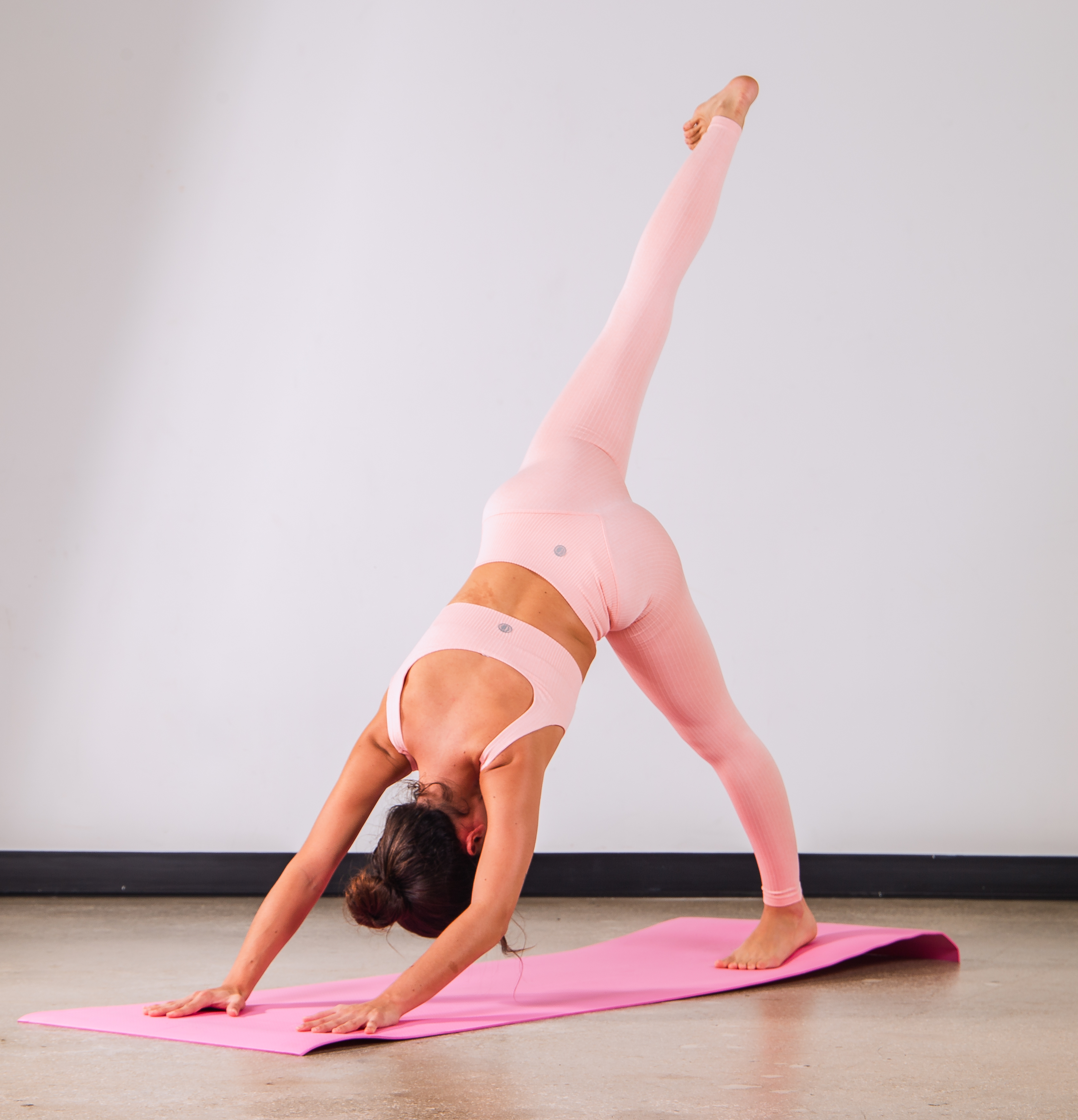
The Hard Truth About Belly Fat
One myth needs putting to rest before we get to the workout: you cannot choose where your body burns fat. The idea that ab exercises melt belly fat — spot reduction — has been tested rigorously and found false. A 2022 meta-analysis by Ramirez-Campillo and colleagues, published in Human Movement, pooled 13 randomised controlled trials covering 1,158 participants and found a Hedges' g of just -0.03 for spot reduction, with a p-value of 0.508 — statistically indistinguishable from zero. A 2023 study by Brobakken et al. in Physiological Reports (n=16) has been cited as evidence for spot reduction, but a single underpowered trial cannot overturn a 13-RCT meta-analysis of 1,158 participants. Ab training shapes and strengthens your core, which is genuinely valuable — it just doesn't preferentially burn the fat sitting on top.
What Actually Reduces Belly Fat
Fat loss happens when your body runs a sustained caloric deficit over time. The research on whether diet or exercise matters more for weight loss is consistent: diet does the heavy lifting. A 2014 review by Swift et al. in Progress in Cardiovascular Diseases found dietary intervention alone produces roughly 1.0 kg of weight loss per week, while exercise alone produces around 0.2 kg. Exercise matters — it preserves lean muscle, reduces visceral fat specifically, and makes loss stick — but without solid nutrition, the workout alone won't move the needle. Three pillars work together:
- A modest caloric deficit — roughly 300–500 calories per day below maintenance supports the sustainable pace of 0.5–1 lb (0.25–0.45 kg) per week without triggering muscle loss.
- Sufficient exercise volume — a 2024 meta-analysis by Jayedi et al. in JAMA Network Open found 150 minutes per week of aerobic exercise produced average loss of 2.79 kg; 300 minutes produced 4.19 kg.
- Resistance training — preserves and builds muscle, keeping resting metabolic rate higher and improving body composition even when the scale barely moves.
The 15-Minute Belly-Fat Blaster Workout
This session is a habit-builder and starting point — not a complete fat-loss program. Jayedi et al.'s 2024 data is worth holding in mind: meaningful fat loss requires 150–300+ minutes per week. Use this as a daily anchor and stack it: pair it with the six best exercises for lasting weight loss on alternate days, or add 30-minute walks on two other days. If you have existing back, knee, hip, or cardiovascular conditions, speak with your doctor before attempting burpees or squat jumps. You need no equipment; clear a two-metre space and have a mat for floor work.
Minutes 0–1: Warm-Up — Jumping Jacks or Marching in Place
One minute of easy movement raises core temperature and prepares joints. Do jumping jacks if your joints allow; otherwise march briskly in place driving knees to hip height. Modification: Marching with arm drive delivers the same warm-up effect at zero impact.
Minutes 1–3: High Knees (30 sec on / 15 sec rest, ×2)
Run in place, driving each knee to at least hip height. Pump your arms — elbows at 90 degrees, driving back opposite the raised knee. Core braced, torso upright. The pace should feel challenging: a few words possible, not a full conversation. Form: Look straight ahead — dropping your gaze folds the torso forward and strains the lower back. Modification: Fast march with exaggerated arm drive if high-impact isn't suitable.
Minutes 3–5: Burpees (20 sec on / 10 sec off, ×2)
From standing, hinge at the hips, place hands on the floor, jump or step both feet back to a plank, perform a push-up (optional), jump or step feet forward, then drive up and jump at the top with arms overhead. Move at whatever pace maintains reasonable form. Form: In the plank phase, keep hips in line with shoulders and ankles — sagging or piking indicates the core has disengaged. Modification: Step back and in one foot at a time; skip the top jump. Right choice for wrist, shoulder, or knee concerns.
Minutes 5–7: Mountain Climbers (30 sec on / 15 sec rest, ×2)
High plank — hands under shoulders, body straight. Drive one knee toward your chest, return it, drive the other. Alternate at a pace that elevates your breathing, hips level throughout. Form: Aim for a pace where the 30-second interval is genuinely challenging without form collapsing. Modification: Slow the tempo significantly, or perform with hands elevated on a chair seat to reduce wrist load.
Minutes 7–9: Plank Hold + Plank Shoulder Taps (20 sec hold / 10 sec taps, ×2)
First 20 seconds: forearm plank — elbows under shoulders, body straight, glutes squeezed, breathing normally. Following 10 seconds: high plank, alternate tapping each hand to the opposite shoulder, keeping hips as still as possible. Form: The shoulder taps are an anti-rotation challenge — resist hip rock rather than rushing the tap; widening your foot stance slightly helps. Modification: Drop to a knee plank for both phases.
Minutes 9–11: Bicycle Crunches (30 sec on / 15 sec rest, ×2)
Lie on your back, hands loosely behind your head, both feet off the floor with knees at 90 degrees. Bring your right elbow toward your left knee as you extend your right leg, then rotate to the opposite side. Slow, controlled rhythm — about one full rotation per second. Form: Rotation comes from thoracic spine and obliques, not from pulling the neck; if your neck aches, reduce range of motion. Modification: Keep both feet on the floor and perform only the rotational crunch without leg extension.
Minutes 11–13: Squat Jumps or Regular Squats (20 sec on / 10 sec off, ×2)
Feet shoulder-width, toes slightly out. Lower into a squat — hips back and down, chest up, knees over toes — then drive explosively through your heels to jump. Land softly with bent knees, absorbing impact through hips and ankles. Form: Quiet, controlled landings protect knee cartilage; loud stiff landings put excessive force through the joint. Modification: Standard bodyweight squats without the jump — right choice for beginners, knee or ankle concerns, or fatigued legs.
Minutes 13–14: Flutter Kicks (30 sec on / 30 sec rest)
Lie flat, legs extended, hands palms-down under your hips. Lift both legs a few inches and alternate raising and lowering them in a small, controlled flutter. Lower back pressed toward the floor throughout. Form: If your lower back arches, raise your legs higher — stable spine beats wide range of motion. Modification: Keep one leg bent with foot flat on the floor while you flutter the other alone, then switch.
Minutes 14–15: Cool-Down — Deep Breathing and Gentle Stretch
Take five slow deep breaths (inhale four counts, exhale six). Then a brief child's pose — knees wide, hips toward heels, arms forward — held 20–30 seconds. Add a standing quad stretch if you did squat jumps. Gradually lowering your heart rate reduces dizziness; stretching warm muscles is also the most effective time for maintaining flexibility.
Why 15 Minutes Is Not Enough on Its Own
A 15-minute session burns roughly 100–180 calories — meaningful, but not sufficient alone. The Jayedi et al. 2024 JAMA Network Open data shows 150 minutes per week produces roughly 2.79 kg of average loss; 300 minutes produces 4.19 kg. Fifteen minutes is one-tenth of the lower threshold. Make this a consistent anchor and build from there: the 8-exercise weight-loss workout pairs well on alternate days for a more structured resistance emphasis alongside this session's cardiovascular focus.
What to Eat to Support Fat Loss
Diet does the bulk of the work. A caloric deficit of 300–500 calories per day supports the sustainable 0.5–1 lb per week pace. Within that deficit:
- Prioritise protein: 1.6–2.2 g per kg of bodyweight per day preserves muscle mass, increases satiety, and has the highest thermic effect of any macronutrient. Eggs, chicken, fish, Greek yoghurt, legumes, and tofu are practical sources.
- Eat plenty of fibre: Slows digestion, stabilises blood sugar, and is strongly associated with lower body weight and waist circumference. Aim for 25–35 g daily from vegetables, legumes, whole grains, and fruit.
- Limit ultra-processed foods: Engineered to overeat — calorie-dense, low in fibre and protein. Reducing them lowers total intake without strict calorie counting for most people.
- Watch liquid calories: Sugary drinks add significant calories with no satiety effect. Replacing them with water, sparkling water, or unsweetened tea and coffee is one of the highest-leverage dietary changes available.
The top strategies for long-term weight-loss success expand on these nutritional principles and the behavioural patterns that make them sustainable beyond the initial weeks.
Realistic Expectations
Follow this consistently — as part of a 150–300 minute weekly structure, with a moderate caloric deficit and a diet centred on protein, fibre, and whole foods — and expect roughly 0.5–1 lb (0.25–0.45 kg) per week on average. Daily weight fluctuates from water, sodium, hormones, and digestion; judge progress by the multi-week trend. Visible change in the midsection typically takes 8–16 weeks of consistent effort. If you have lower back pain, disc issues, hip or knee injuries, or any cardiovascular condition, speak with your doctor before attempting the higher-intensity elements — particularly burpees, squat jumps, and mountain climbers. Start with what you can do today, do it again tomorrow, and build the habit before optimising the program.
Frequently asked questions
Can you target belly fat specifically by doing ab exercises?
What is the most effective way to reduce belly fat?
Is a 15-minute workout enough to lose belly fat?
Does spot reduction actually work for any body area?
Sources
- Aerobic Exercise and Weight Loss in Adults: A Systematic Review and Dose-Response Meta-Analysis — JAMA Network Open (2024)
- The Role of Exercise and Physical Activity in Weight Loss and Maintenance — Progress in Cardiovascular Diseases (2014)
- Abdominal aerobic endurance exercise reveals spot reduction exists: a randomized controlled trial — Physiological Reports (2023)


Comments (0)