There is no single suppressed secret, and no industry conspiracy worth the name. But there is one well-documented finding that sits awkwardly with how large quantities of food are formulated and sold, and it rarely appears on the front of a packet: how a food is made changes how much of it you eat — independently of its stated calories, sugar, salt, or fat content. The mechanism is not a hidden ingredient. It is industrial processing itself.
This article will not promise rapid loss. Sustainable weight loss runs at roughly 0.5–1 kg per week — the range anchored by NICE guideline NG246 (updated January 2026) and supported across clinical guidelines globally. What follows is the peer-reviewed mechanism behind why maintaining that pace is harder than most advice acknowledges — and what you can actually do about it.
What does the Lancet's 2025 ultra-processed food series actually show?
The most comprehensive recent evidence comes from a November 2025 Lancet series reviewing 104 research papers on ultra-processed foods (UPFs). It links rising global UPF consumption to obesity, type 2 diabetes, and cardiovascular disease through mechanisms that go well beyond the nutrients listed on the label. The key finding: UPFs cause harm through multiple overlapping pathways that operate independently of simple calorie, fat, or sugar content.
Those pathways include: faster digestion due to disrupted food structure (industrial processing breaks down cell walls and fibre architecture in ways that accelerate caloric absorption); hyper-palatability engineering that overrides satiety signals (flavour-enhancer and texture combinations calibrated to reduce the sensory satisfaction per bite, driving continued eating); low protein and fibre content that fails to trigger satiety hormones; and endocrine-disrupting packaging chemicals. The Lancet series found no single mechanism dominates — multiple routes operate simultaneously, which is part of why reducing UPF consumption produces weight benefits that exceed what any single nutrient change alone would predict.
The controlled trial that established UPFs cause overeating independent of nutrients
A foundational piece of evidence is the 2019 NIH crossover trial by Kevin Hall and colleagues: adults were given free access to either an ultra-processed diet or a minimally processed one, with the two diets deliberately matched for calories presented, energy density, sugar, sodium, fat, and fibre. Despite the match on paper, participants ate approximately 500 calories per day more on the ultra-processed diet and gained weight over two weeks. The minimally processed group lost weight. The food was not "worse" by the nutrients on the label. It was simply easier — structurally, texturally, and palatably — to overeat.
A 2024 randomised crossover study from the University of Tokyo Hospital replicated the mechanism: participants consuming ultra-processed foods ate faster and consumed more total calories even when caloric density was matched, with the key mediator identified as reduced chewing frequency. UPFs require less chewing, which accelerates eating pace, which outruns your fullness signals. Your satiety system operates on a 15–20 minute lag between eating and the hormonal feedback that signals fullness. Eat fast enough, and you consistently overshoot before the signal arrives.
Why UPF harm is not just about calories, fat, or sugar
The Lancet 2025 series specifically challenges the "it's just the nutrients" framing. Observational and experimental evidence shows UPF consumption predicts weight gain even after statistical adjustment for total calories, fibre, and macronutrients. This matters practically: a "low-fat," "reduced-sugar," or "high-protein" label on a heavily processed product does not tell you how easy the food is to over-consume, how fast it digests, or whether its structural characteristics bypass your satiety system. Front-of-pack claims describe what the marketing team chose to highlight — not the eating behaviour the product engineers for.
Fructose metabolism adds another layer. A 2024 review established that fructose from added sugars (dominant in ultra-processed foods) bypasses feedback regulation in the liver, directly stimulates de novo lipogenesis (liver fat production), raises triglycerides, and promotes visceral fat accumulation. These effects are not seen with fructose from whole fruit, where the intact food structure slows absorption. The same molecule behaves differently depending on the food structure it arrives in. This is the "processing matters beyond nutrients" point made concrete.
Protein and fibre are the genuine brakes — and UPFs are short on both
Higher dietary protein intake at 1.2–1.6 g/kg/day supports weight loss by increasing satiety hormones (GIP and GLP-1), reducing ghrelin, and raising the thermic effect of food to 20–30% of protein calories — per a 2024 Clinical Nutrition ESPEN meta-analysis. Dietary fibre slows gastric emptying, feeds gut bacteria that produce satiety-signalling short-chain fatty acids, and increases chewing time. Ultra-processed foods are systematically low in both: their protein is often from hydrolysed sources that do not trigger the same hormonal response as intact protein, and their fibre is removed or replaced with isolated fibres that do not replicate the structural properties of intact plant cell walls.
This is not an accident of formulation. It reflects the economic logic of food manufacturing: protein and fibre are expensive; ingredients that extend shelf life, reduce cost, and enhance palatability are not. The result is a food environment in which the cheapest, most convenient, most widely available foods are structurally designed — not through conspiracy, but through optimisation for profit — to produce exactly the eating behaviour that drives obesity.
The '2025–2030 US Dietary Guidelines' stance on added sugars
The 2025–2030 US Dietary Guidelines took a stricter position on added sugars than any previous edition: "no amount of added sugars is recommended or considered part of a healthy diet," with a limit of less than 10% of total daily calories, per analysis by Harvard T.H. Chan School of Public Health (January 2026). Added sugars are the dominant caloric sweetener in ultra-processed foods. This guidance does not ban UPFs, but it establishes the scientific consensus: added sugars at typical UPF-consumption levels have no beneficial role in diet and are associated with the chronic-disease outcomes the Lancet 2025 series documents.
What 'minimally processed' actually means in practice
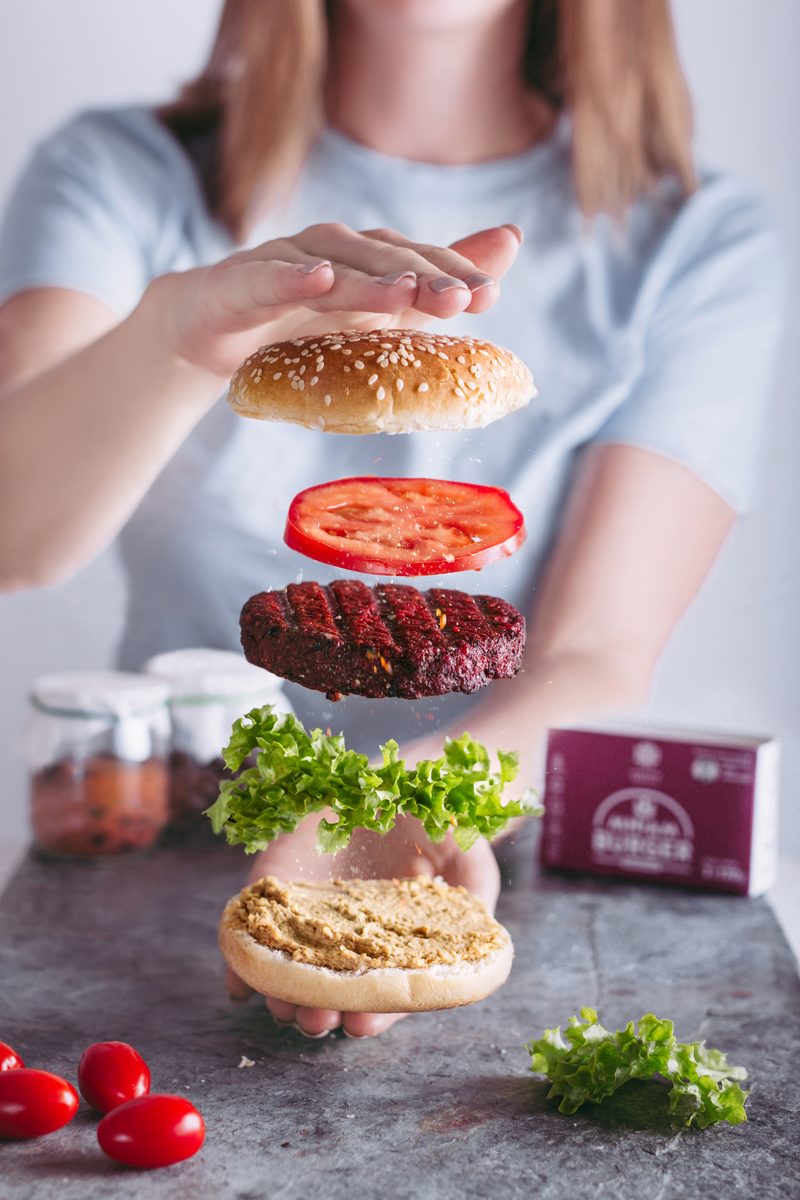
Minimally processed eating does not require cooking elaborate meals from scratch daily, nor does it require avoiding all packaged food. It means the majority of what you eat consists of recognisable, structurally intact ingredients — vegetables, fruits, legumes, whole grains, meat, fish, eggs, dairy — rather than industrially reformulated products where those ingredients have been disassembled, processed, and reconstructed with additives. Practically: food you assemble rather than food that arrives finished.
A diet built this way naturally lands lower in energy density and higher in fibre and protein — the two structural properties that regulate appetite. It is not marketed aggressively because there is little proprietary to sell in the advice "cook your own food." Understanding which whole foods most effectively support fat loss is a useful complement to understanding UPF reduction — the two strategies point in the same direction.
Diet quality versus physical activity: what the evidence says
A 2025 study of over 4,200 adults using doubly-labeled water — the gold standard for measuring actual energy expenditure — found that diet quality, not physical activity level, is the primary driver of weight gain and obesity. Exercise does not fully compensate for excess calorie intake; total dietary quality remains the dominant variable. This does not mean exercise is unimportant — it supports cardiovascular health, metabolic rate, and long-term weight maintenance independently. But it does mean that reformulating your diet around minimally processed foods is a higher-leverage intervention than adding workouts without changing what you eat.
None of this requires perfection — and the framing matters
Ultra-processed food is convenient, and convenience has genuine value on a hard day. The goal is not purity — it is proportion. Shifting the balance so that most meals are food you assembled rather than food that arrived ready-to-consume is what produces weight change over months. A 2025 systematic review (Cureus, July 2025) found long-term weight-loss maintenance is predicted by sustained behavioural change and intrinsic motivation — not by the severity of any initial intervention.
Restriction and elimination of entire food categories is associated with disordered eating patterns and typically fails at the adherence stage. A more useful frame: eat foods your appetite system was built to regulate, and it will regulate your intake. Eat foods designed to override your appetite system, and the fight is rigged. The evidence on diet versus exercise for weight control consistently points to diet as the primary lever — and UPF reduction is currently the most evidence-supported dietary intervention for population-level obesity.
The honest version of the secret
The "secret the food industry doesn't want you to know" is less dramatic than the headline implies and more actionable than most weight-loss advice. Industrial food processing changes how much you eat, independently of what the label says. The fix is straightforward: shift toward food you recognise and assemble, with adequate protein and intact fibre, and away from food engineered to be frictionless. That is slower than a headline promises. It is also the intervention with the strongest, most recent, and most consistent evidence behind it — including the 2025 Lancet series, the 2024 JAMA crossover trial, and the 2025–2030 US Dietary Guidelines.
If you have struggled to make lasting dietary changes despite understanding the evidence, that is not a willpower failure — it is a consequence of an environment designed to produce that outcome. Working with a registered dietitian to build specific, sustainable habits within your actual life circumstances is more effective than any single dietary rule.
Frequently asked questions
Is there actually a "secret" the food industry hides about weight gain?
What actually makes ultra-processed foods cause weight gain beyond their calories?
Does eating less processed food mean giving up all convenience foods?
How does industrial food engineering affect hunger and fullness signals?
Sources
- Ultra-processed foods cause weight gain and increased energy intake associated with reduced chewing frequency: A randomized, open-label, crossover study — Diabetes (2024)
- Physical Activity Energy Expenditure and Total Daily Energy Expenditure in Successful Weight Loss Maintainers — Obesity (2019)
- Ultra-processed foods: 5 biggest implications from Lancet study (November 2025) — The Lancet peer-reviewed series (2025)
- Saturated Fat Restriction for Cardiovascular Disease Prevention: A Systematic Review and Meta-analysis of Randomized Controlled Trials — JMA Journal / PubMed Central — peer-reviewed systematic review and meta-analysis (2025)
- Aerobic Exercise and Weight Loss in Adults: A Systematic Review and Dose-Response Meta-Analysis — JAMA Network Open (2024)


Comments (0)