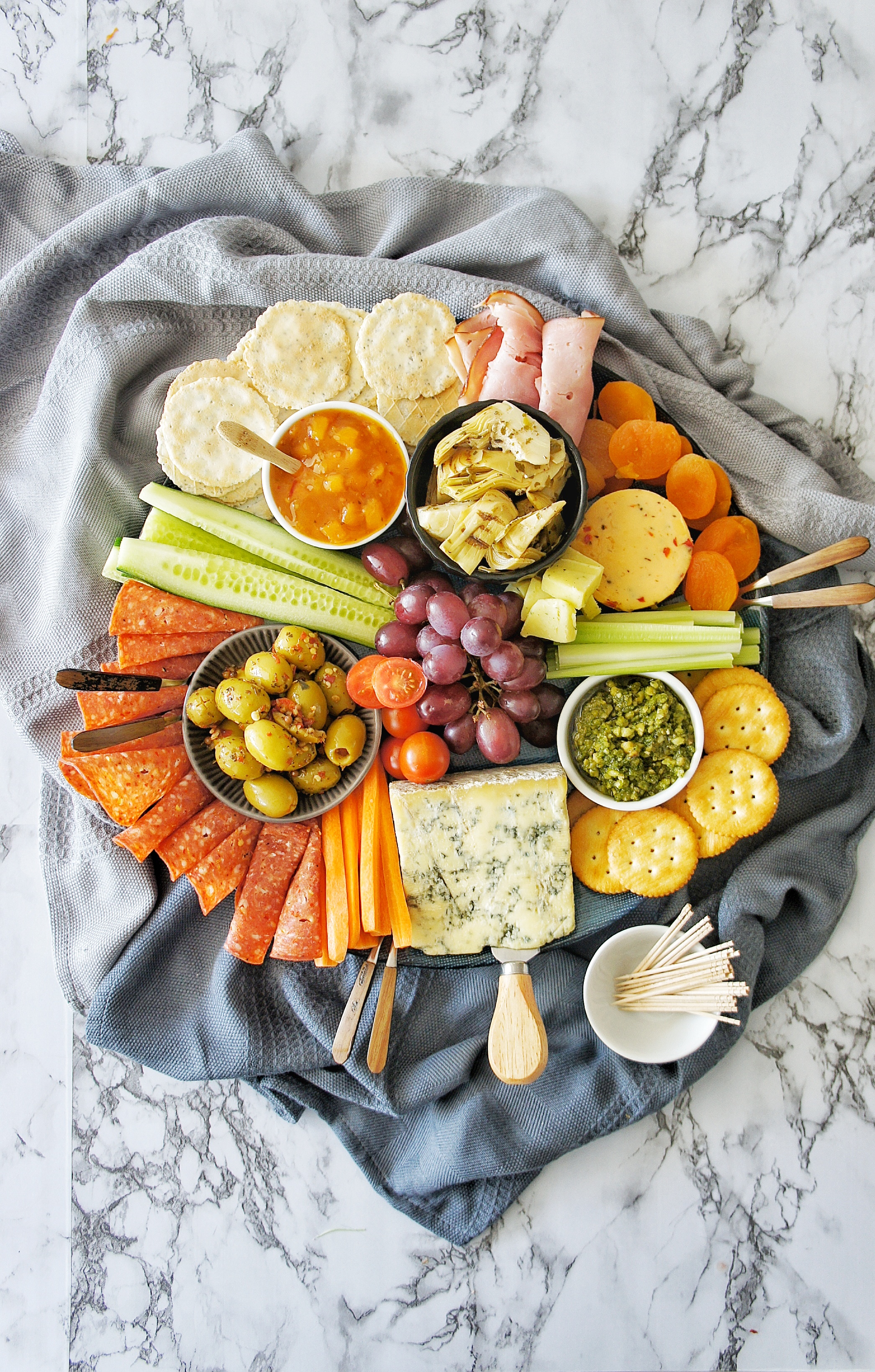
Breakfast does not melt fat on its own — but its composition meaningfully shapes how hungry you feel for the rest of the day, and therefore how many calories you end up eating. A 2024 systematic review and meta-analysis on protein intake for overweight adults recommends a minimum of 1.3 g of protein per kilogram of body weight per day, noting that higher protein intake increases satiety hormones, suppresses ghrelin (the hunger signal), and carries a thermic effect of 20–30%. Front-loading that protein at breakfast is a practical way to stay ahead of hunger. Equally important is what you leave off the plate: a 2025 Lancet series spanning 104 papers, corroborated by a 2024 crossover RCT in Diabetes, Obesity and Metabolism (University of Tokyo Hospital), confirmed that ultra-processed foods drive weight gain through faster digestion and hyper-palatability. The 13 breakfast ideas below are built around whole, minimally processed ingredients for exactly that reason.
What does the evidence actually say about breakfast and weight?
The honest answer is more nuanced than "eat breakfast and lose weight fast." A 2024 JAMA Network Open systematic review of 29 RCTs involving 2,485 participants found that meal-timing strategies produced only modest weight loss (−1.37 kg for time-restricted eating). Total calorie intake and diet quality matter far more than the clock. A 2025 study of more than 4,200 adults using doubly-labelled water (reported in NPR, July 2025) found that diet quality, not physical activity, is the primary driver of weight outcomes. And the landmark DIETFITS trial showed that dietary adherence predicts weight loss better than the specific diet type chosen.
What a well-constructed breakfast can do is reduce mid-morning hunger, lower the odds of ultra-processed snacking later, and make daily calorie targets easier to hit without feeling deprived. That is a worthwhile lever — but the other meals, sleep, and overall dietary pattern must pull in the same direction. Pair these breakfasts with the broader picture in our guide to 29 science-backed dieting tricks. One further factor: if you are regularly sleeping under seven hours a night, a 2024 Wiley review found that short sleep raises ghrelin, reduces leptin, and drives approximately 328 extra calories per day from snacks — easily erasing a well-calibrated breakfast.
How to make any breakfast work harder
Before the list, four principles that apply across all 13 options:
- Prioritise protein. Aim for 25–35 g at breakfast where possible. Protein's thermic effect and hormone action set the satiety tone for the morning (2024 peer-reviewed systematic review and meta-analysis).
- Add fibre. Vegetables, fruit, legumes, and whole grains slow gastric emptying and blunt blood-glucose spikes that trigger rebound hunger.
- Minimise added sugar. The 2025–2030 US Dietary Guidelines (Harvard T.H. Chan analysis, January 2026) recommend no added sugars; a practical ceiling is less than 10% of total daily calories. Flavoured yogurts, granola, and fruit juices frequently exceed this in a single serving.
- Choose whole over processed. Every step toward a whole food and away from an ultra-processed one is consistent with the Lancet 2025 evidence base.
13 breakfasts that support weight management
- Veggie Omelette
Whisk together egg whites or whole eggs with chopped vegetables like spinach, bell peppers, and mushrooms. Cook in a non-stick pan with minimal oil for a protein-rich and fibre-filled breakfast.
Why it works: Two whole eggs deliver roughly 12 g of protein and a meaningful hit of leucine, the amino acid most associated with satiety signalling. Adding spinach and mushrooms brings fibre and volume for very few extra calories — a combination that research consistently links to lower overall daily intake. - Overnight Chia Pudding
Combine chia seeds with unsweetened almond milk and a touch of sweetener. Let it sit overnight, and in the morning, top it with fresh berries and a sprinkle of nuts for a nutrient-packed breakfast.
Why it works: Chia seeds are roughly 35% fibre by weight, much of it soluble, which forms a gel in the stomach and slows digestion. Topping with berries rather than a sweetened sauce keeps added sugar below the 10 g per-meal guideline (Harvard T.H. Chan, 2026). - Greek Yogurt Parfait
Layer plain Greek yogurt with mixed berries, a drizzle of honey, and a sprinkle of granola for a protein-rich and satisfying breakfast. Greek yogurt provides probiotics and keeps you feeling full for longer.
Why it works: Plain Greek yogurt provides 15–20 g of protein per 170 g serving. Use a granola with less than 6 g of added sugar per serving and keep the honey drizzle to one teaspoon to stay within sensible added-sugar limits. Flavoured Greek yogurts can contain 15–20 g of added sugar per cup — a common hidden source of excess calories.
Best for: People who prefer a no-cook option that travels easily. - Avocado Toast
Toast a slice of whole-grain bread and top it with mashed avocado. Add a squeeze of lemon juice, a sprinkle of salt and pepper, and optionally, a poached egg for extra protein and flavour.
Why it works: Whole-grain bread contributes fibre that white bread strips away. Avocado provides monounsaturated fats associated with sustained satiety. Adding a poached egg raises the protein content to around 18–20 g — enough to hold hunger until lunch for most adults.
Best for: A genuinely filling 10-minute breakfast on busy mornings. - Berry Smoothie
Blend together a handful of mixed berries, a scoop of protein powder, a splash of unsweetened almond milk, and a dollop of Greek yogurt. This refreshing smoothie is rich in antioxidants and protein.
Why it works: Smoothies are one of the fastest routes to a high ultra-processed-food breakfast if built carelessly — commercial versions routinely contain 40+ g of added sugar. Built from whole berries, plain yogurt, and an unflavoured whey or pea protein, this version delivers 25+ g of protein without that trap. Include protein powder to compensate for any reduction in satiety from blending versus chewing.
Best for: Post-exercise mornings or anyone who struggles to eat solid food early. - Quinoa Breakfast Bowl
Cook quinoa in water or unsweetened almond milk and top it with sliced banana, a drizzle of honey, and a sprinkle of cinnamon. Quinoa provides a good source of protein and complex carbohydrates.
Why it works: Quinoa is one of the few plant foods that contains all nine essential amino acids, making it valuable for those building meals without animal protein. A 185 g cooked serving delivers about 8 g of protein and 5 g of fibre. Keep the honey to one teaspoon; a banana already adds natural sweetness and around 3 g of fibre from resistant starch.
Best for: Vegetarians and those who need a warm, filling grain base. - Whole Grain Pancakes
Prepare pancakes using whole-grain flour, mashed bananas, and a small amount of honey. Serve with a side of fresh fruit and a dollop of Greek yogurt for a fibre-rich breakfast.
Why it works: Swapping refined flour for whole-grain flour nearly doubles the fibre content and lowers the glycaemic response. Using mashed banana as a partial sweetener reduces how much honey is needed, cutting added sugar significantly versus a standard boxed mix. Adding Greek yogurt on the side rather than maple syrup keeps protein high.
Best for: Weekend meals when there is time to cook and you want something that feels indulgent without being derailing. - Veggie Breakfast Burrito
Fill a whole-grain tortilla with scrambled eggs, sautéed vegetables, and a sprinkle of low-fat cheese. Roll it up and enjoy a filling and protein-packed breakfast on the go.
Why it works: A two-egg filling in a whole-grain tortilla with vegetables and a tablespoon of cheese reaches roughly 22–25 g of protein. Portability matters: research on dietary adherence (DIETFITS, JAMA) consistently finds that convenience is one of the strongest predictors of sticking to a dietary pattern long enough for it to produce results.
Best for: Commuters and anyone who needs to eat on the move. - Spinach and Mushroom Frittata
Sauté spinach, mushrooms, and onions in a non-stick pan. Pour beaten eggs over the vegetables and cook until set. This protein-rich frittata makes for a satisfying and low-calorie breakfast.
Why it works: A three-egg frittata with generous vegetables provides around 20 g of protein and fewer than 250 calories — an unusually good satiety-per-calorie ratio. Frittatas keep well in the refrigerator for three days, making them a strong batch-cook option for people who find weekday mornings rushed.
Best for: Meal preppers; cook on Sunday, slice and reheat through the week. - Peanut Butter Banana Toast
Spread natural peanut butter on whole-grain toast and top it with sliced banana. This combination offers a balance of healthy fats, protein, and natural sugars to keep you energised.
Why it works: Two tablespoons of natural peanut butter (no added sugar) contribute 8 g of protein and 16 g of healthy unsaturated fat. The key word is natural: conventional peanut butters often contain partially hydrogenated oils and up to 4 g of added sugar per serving. Check that the ingredients list reads "peanuts, salt" — nothing more.
Best for: A quick, no-cook option with enough energy density to sustain moderate physical activity through the morning. - Cottage Cheese and Fruit Bowl
Combine cottage cheese with a variety of fresh fruits like berries, sliced peaches, and kiwi. This protein-packed bowl provides a filling and nutritious breakfast.
Why it works: Cottage cheese is consistently underrated as a breakfast protein source: a 225 g serving delivers around 25 g of casein protein, which digests slowly and sustains satiety for longer than faster-digesting whey or plant proteins. Pairing it with fruit adds fibre and vitamin C without pushing added sugar above sensible thresholds.
Best for: People who find eggs repetitive or want a cold, no-cook high-protein option. - Veggie and Egg Wrap
Wrap scrambled eggs with sautéed vegetables such as spinach, tomatoes, and onions in a whole-grain tortilla. Add a dash of hot sauce for extra flavour.
Why it works: Similar in structure to the burrito (item 8) but lighter — no cheese — and the hot sauce adds flavour for effectively zero calories. Capsaicin in chilli-based sauces has a small but real thermic effect in some studies, though the magnitude is too modest to treat as a weight-loss strategy on its own. The real value is the protein-fibre-vegetable combination in a portable, low-added-sugar format.
Best for: Anyone who wants variety from the frittata or burrito without changing the nutritional logic. - Smoked Salmon and Cucumber Roll-Ups
Layer thin slices of smoked salmon and cucumber on a whole-grain wrap or lettuce leaves. Roll them up and enjoy a protein-rich breakfast that is low in calories.
Why it works: Smoked salmon is one of the highest-protein, lowest-calorie animal foods available. A 90 g serving provides around 16 g of protein and omega-3 fatty acids associated with reduced systemic inflammation. Using lettuce leaves instead of a tortilla drops the carbohydrate content further for those managing blood sugar. One note: smoked salmon is high in sodium (roughly 600–900 mg per 90 g), so people monitoring sodium intake should treat this as an occasional rather than daily option.
Best for: Low-carbohydrate mornings; elegant enough for when overnight guests are staying.
Putting it together: realistic expectations
These 13 breakfasts work because they share a common structure: adequate protein to suppress ghrelin and engage satiety hormones, fibre from vegetables and whole grains to slow digestion, and minimal added sugar to avoid the blood-glucose swings that trigger mid-morning snacking. None of them are magic. The 2024 JAMA Network Open review is unambiguous: calorie total over the full day determines weight outcomes far more than any single meal or timing trick. What a strong breakfast does is make the rest of the day easier to manage.
A realistic, sustainable pace of loss is 0.5–1 lb (0.25–0.5 kg) per week, achieved by a modest and consistent daily calorie deficit of 250–500 kcal. If you have made repeated good-faith attempts at dietary change over several months without meaningful progress, that is a signal worth discussing with a registered dietitian — hormonal, metabolic, or behavioural factors may be at play that a food list alone cannot address. For why the effort sometimes stalls despite doing everything right, the article on 10 reasons you are not losing weight works through the most common hidden blockers. For the evenings, our guide to 5 easy superfood dinners extends the same whole-food, protein-forward logic across the full day.
Frequently asked questions
Does eating breakfast actually help you lose weight?
What should I eat at breakfast to stay full all morning?
Is skipping breakfast a smart way to reduce daily calories?
Why do I feel hungry again so quickly after eating breakfast?
Does what you eat at breakfast actually affect how much you eat for the rest of the day?
Sources
- Aerobic Exercise and Weight Loss in Adults: A Systematic Review and Dose-Response Meta-Analysis — JAMA Network Open (2024)
- Intermittent fasting, traditional dietary advice or no treatment: which works better to help adults living with overweight or obesity lose weight? | Cochrane — Cochrane Library — highest evidence tier for systematic reviews (2026)
- Meal Timing and Anthropometric and Metabolic Outcomes: A Systematic Review and Meta-Analysis — JAMA Network Open — peer-reviewed systematic review (2024)
- Plant-based and sustainable diet: A systematic review of its impact on obesity — Obesity Reviews (2025)
- Ultra-processed foods cause weight gain and increased energy intake associated with reduced chewing frequency: A randomized, open-label, crossover study — Diabetes (2024)



Comments (0)